

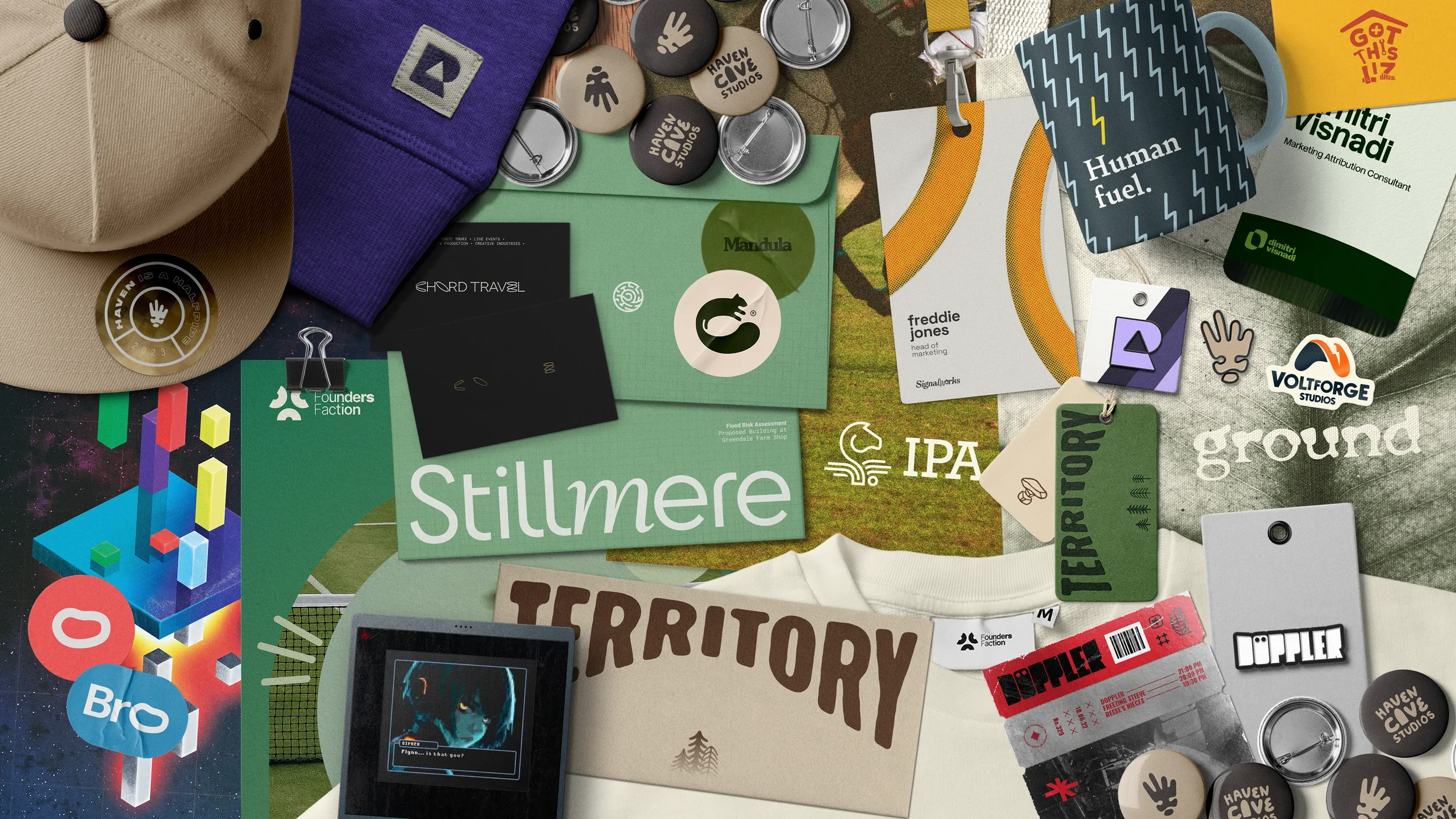
Brand design that looks like you, not everyone
Discovery before design. Strategy before style.


Symbr is an award-winning brand design studio based in London, UK. Working with growing businesses to build standout, distinctive logos and visual identities that take things to the next step.
Brands often come to Symbr at pivotal moments, whether that’s launching something new, evolving an existing identity, or bringing clarity to a brand that’s outgrown itself.
This is not branding by numbers. It’s thoughtful, discovery-based work, grounded in craft, collaboration, and a clear understanding of where you are now, and where you want to go.
Proof is in the pudding work
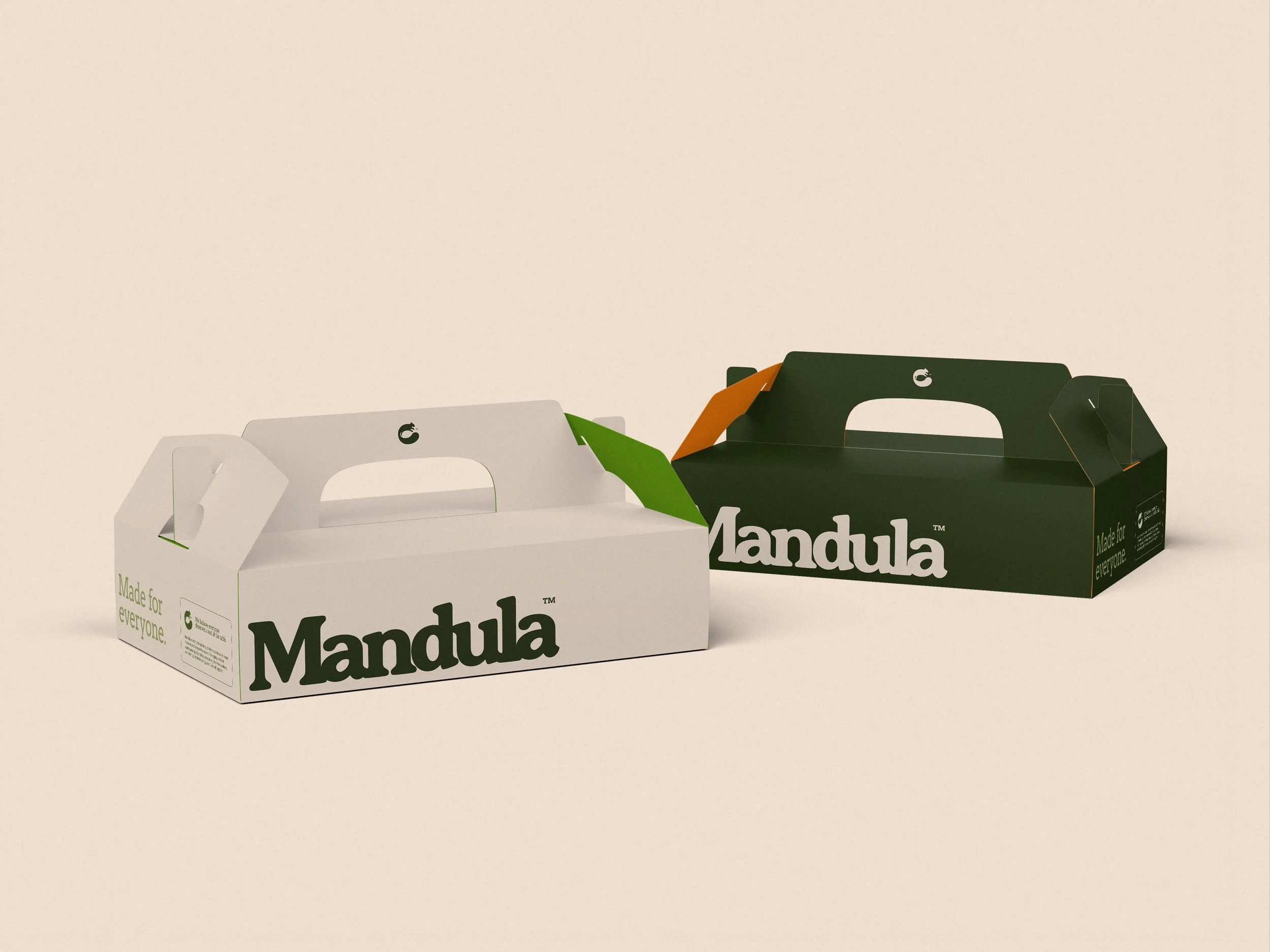
Mandula

Release Assist

Signalworks

Territory
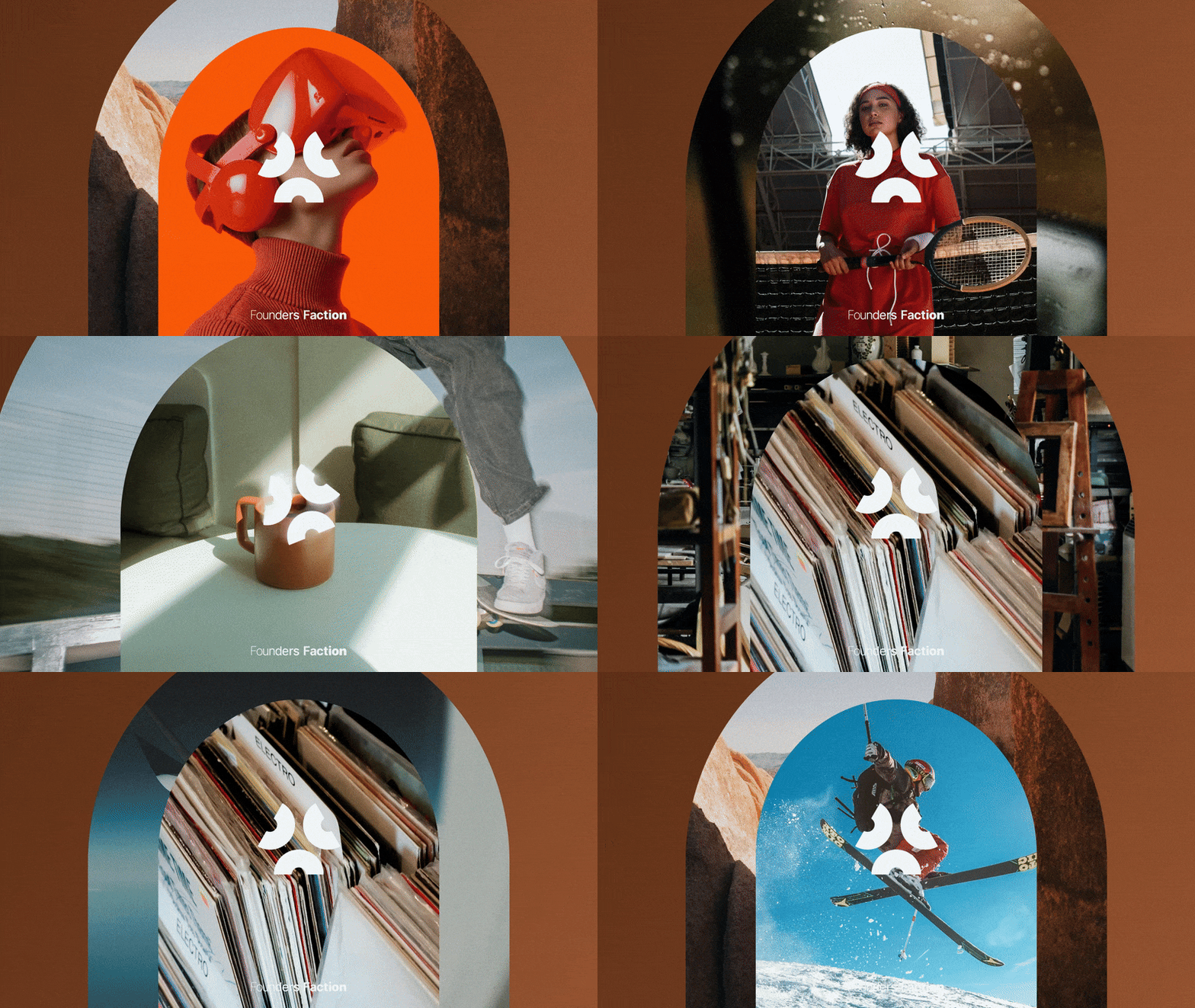

Founders Faction

Ground
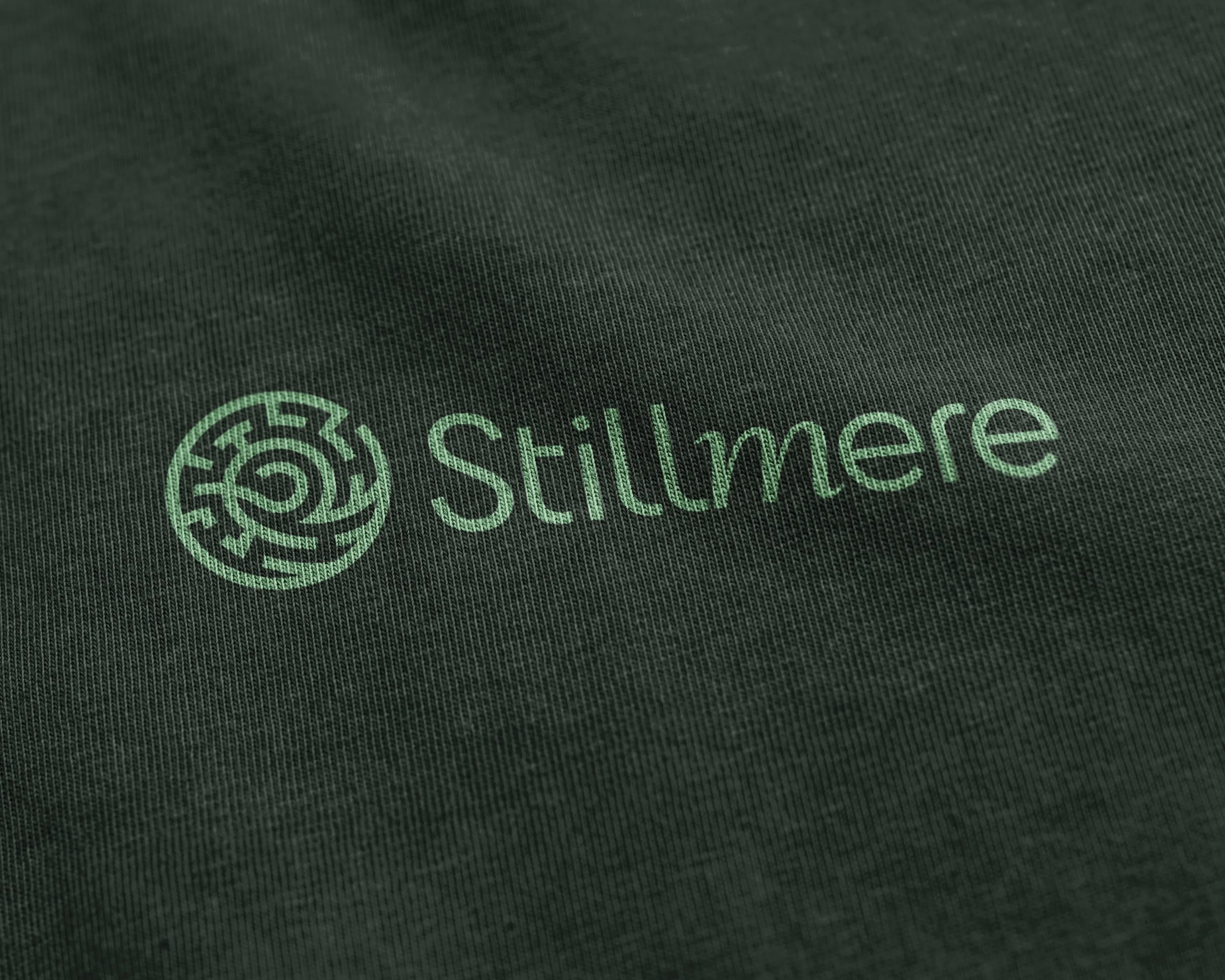
Stillmere
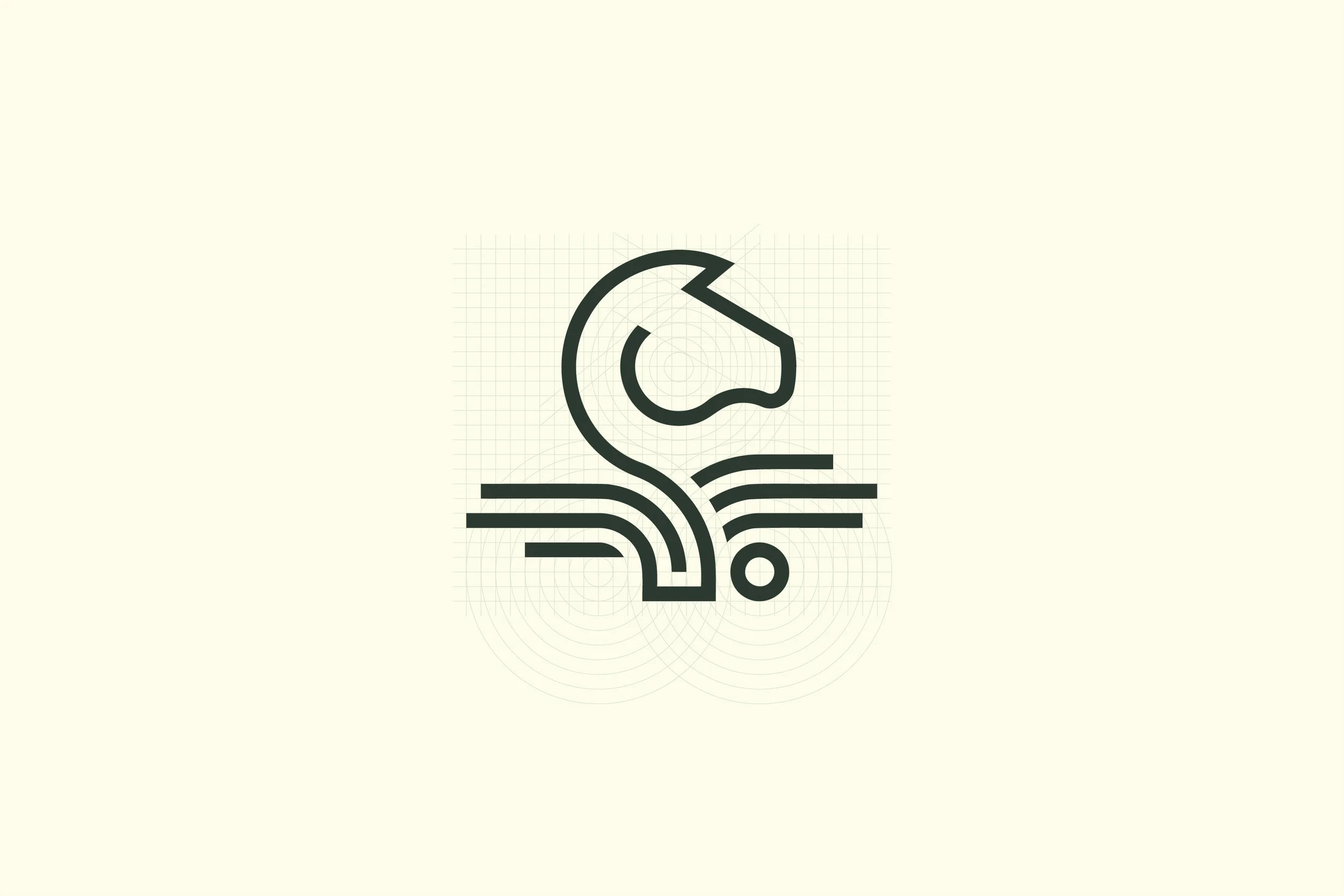
Int. Polo Academy

Döppler

Flynn Esker

Voltforge Studios

Award-winning
“A distinguished symbol within the design industry... the epitome of excellence in the market.”
— London Design Awards 2025
Name-dropping


What they say
-
![A minimalist logo of a black cat curled into a circular shape on a beige background.]()
"Alex has been a pleasure to work with from start to finish...
…His focus on listening to our goals really makes his work stand out, and we couldn't be happier with the end result. You won't regret hiring him.”
Andres & Barbara Alfaro
Founders
Mandula -
![Young man wearing a red baseball cap and beige striped shirt outdoors during daytime, with a field of crops and trees in the background.]()
“Alex's work was super efficient in that...
…he knew the questions to ask in order to extract the meaning and the true value in our brand for us to go away and immediately put that brand into action.
Alex's knowledge spans so broadly, not just in brand designing, but you can tell that his creative spirit is guiding every single decision he makes and that rare level of knowledge makes him a great designer and creative!”
Adriano Desire
Founder
Release Assist -
![A smiling man with short, reddish hair and a beard, wearing a dark shirt, against a yellow background.]()
"This was my first time hiring a designer...
…and luckily it was with Alex. Working with him was easy, and he guided me through the process.
He managed to extract key features of my brand, my personality, and my goals, and incorporated them into a logo and brand identity that I’m proud to use.”
Dimitri Visnadi
Marketing Attribution Consultant
Visnadi.com -
![A man with light skin, a full beard, and styled brown hair wearing a black jacket and white shirt, looking to the side with a smirk or smile.]()
"Alex isn't your average brand designer!...
He didn’t just listen to my aspirations, he encouraged ideas and challenged my vision, enabling my aspirations to be closely connected to my own personality and ultimately gave my company the right presence and voice!
The end result feels truly unique and I couldn’t be happier.”
Mark Hobbs
Founder
Territory -
![Review for International Polo Academy Rebrand brand refresh logo design and visual identity]()
"Alex was fantastic to work with...
Friendly, flexible and a great communicator he really took the time to chat to us about the brand and immerse himself in our project to help understand and familiarise himself with a sport he was not previously involved in.
This gave him some great insight into our goals and what we were looking to achieve with the branding project and the result was a complete branding package that ticked all the boxes and gave us a great start to support our relaunch.
His delivery was punctual and well executed and he handled multiple stakeholders very well (and patiently), providing a professionally put together, beautiful finished product with plenty of options for us to choose from and explore.
The discovery and exploration sessions were seamless and you could see that he had taken on board all the different aspects and nuances of the sport that we had discussed and incorporated them in subtle ways into his designs.
We were very pleased with the outcome.”
Katie Perez
Campaign Account Manager
International Polo Academy -
![A woman with glasses and long hair, smiling, seated in a room with a patterned wall and plants in the background.]()
"Alex goes beyond just delivering a logo and brand package...
He takes the time to truly understand your brand and create something meaningful. Even though my project didn’t fit his standard packages, he easily tailored a custom solution.
His communication was excellent, and he was flexible with scheduling calls.
I was impressed by how he quickly turned a short call into unique design options, factoring in competitor analysis and partner alignment.
His initial concept was spot-on, even after considering my feedback.
Alex also provided Canva brand elements that have been invaluable for my presentations.
I’m excited to work with him again on my website and future brand materials."
Amanda Irwin
Workplace ESG Consultant
ANI Consulting -
![A smiling man with a beard and short hair, wearing a white shirt, tie, and olive green sweater, standing outdoors with greenery and white flowers in the background.]()
"The decision to use Alex was simple...
We are old colleagues, and after a chat about the project, it was a natural fit to start the process.
What I didn't realise was how much he had evolved since we’d last worked together.
I have huge ideas, and it takes people with a firm strategic mindset and creative specialism to harness them.
Alex's discovery process, patience, creativity, and ability to challenge me led to an award-winning brand identity before launch.
He’s enabled me to unshackle my ideas and shape them into a go-to-market proposition I’m building a ten-year plan around.
A great professional, an even better human being. Alex is my go-to. It couldn’t be anyone else."
Dan Carey
Founder
Founders Faction -
![Woman smiling outdoors, wearing a black sleeveless top, with long brown hair, in a natural, blurred background.]()
“Working with Alex on Shakti’s brand design was an absolute pleasure...
He brought such dedication and creativity to the project, diving deep into our vision and bringing it to life in ways I couldn't have imagined.
He really listens and takes the time to understand his clients’ needs, and it shows in his work.
Alex’s commitment to creating something unique for Shakti was evident in every step, and I couldn't recommend him more highly as a designer.”
Ariana Kireilyte
Founder & Therapeutic Massage Specialist
Shakti Elementals -
![A man with curly hair and a beard looking to the side, wearing a patterned shirt, standing against a plain background.]()
"During the time I've worked with Alex...
He has constantly surprised and amazed with the directions his brain can take a project. He's like the Dyson Ball vacuum of graphic design, where others can only manage up or down, he enables 360° thought.
His willingness to learn new methods and to try numerous mediums often provides an outcome that most will never reach.
His attitude is infectious and I would strongly recommend him to anyone.”
Rob Venice
Founder & Creative Consultant
Motive -
![Minimalist black and white illustration of an abstract, curving, twisted line design on a black background.]()
"Working with Alex was a genuine pleasure...
…His concept of building the mark from frequency shapes was inspired and gave the whole project a strong foundation. He delivered a brand identity we are all genuinely proud of. Highly recommended.”
Stuart Robinson,
Founder
Chord Travel





Need brand design? Let’s do it.
Say hello. This is the first step on a creative
adventure that will take your business to the next level.
FAQs
-
Getting started
Tell us a little about your project and the budget you have in mind, and we'll arrange a 20-minute intro call. It's an informal chat to make sure we're a good fit and to agree the high-level scope. From there, we'll send a detailed proposal with costs, timeline and contract. A 50% deposit confirms the project and secures your place in our schedule.
1. Discovery
Every project starts with a discovery questionnaire. It takes a little time on your side, but it's how we understand your story, audience, values and ambitions. We follow it with a discovery call of around an hour to go deeper, answer questions on both sides, and make sure we're fully aligned before anything else happens.
2. Strategy
Before any design work begins, we work out where your business should sit. We look at your competitors and the wider sector, identify what sets you apart, and agree a clear strategic position. This becomes the brief every design decision is measured against.
3. Visual Direction
With the strategy in place, we explore how it should look and feel. For visual identity projects, we create moodboards or stylescapes to agree on tone, colour and overall direction. Then it's pencil to paper. We sketch and explore ideas before presenting a considered direction for you to review.
4. Execution and Delivery
Once a direction is chosen, we refine it until it works at every size and across every touchpoint. For visual identity projects, this is also when we build out the supporting assets, layouts and wider identity system. When everything is signed off and the final payment is made, you'll receive all final files and a clear set of brand guidelines to keep everything consistent.
-
Every project is different, and if you have a specific deadline in mind, it can usually be accommodated within reason.
Generally speaking, with good communication, a logo design project can take as little as four weeks.
A full visual identity usually takes around eight weeks. -
In a lot of ways, yeah. You can think of me as a designer with the ability to scope out a full “agency style” project. I can deliver everything a bigger agency could, but it’s just me, myself and I, so obviously timelines are a little more stretched to give projects the attention they deserve.
That being said, if things need to tick along a bit faster, or if there’s anything outside of my skill-set. I have a network of contractors I trust that I can tap into. It’s all about delivering the best experience for my clients.
-
I could do that for you, but it won’t do you a whole lot of good.
Typography and colour play a huge role in how your audience perceives you.
Imagine Gucci using a neon green and comic sans 🤢. Not very luxury.
So, I tend to provide a minimum of those three elements. Logo, type, colour. The brand design holy trinity, if you will. More on that here
-
A logo identifies you quickly. A full visual identity tells them who you are, consistently, wherever they meet you. It gives your business a coherent system of logo, colour, typography and supporting elements that work together across your website, social channels, packaging and print. The benefits are recognition, credibility and consistency. You look established sooner, your materials stop feeling pieced together, and each new touchpoint is quicker to produce because the rules are already set. It's the visual foundation your brand is built on over time.
-
A well-designed logo makes your business easier to recognise, remember and trust. It's often the first thing people see, and it shapes how established you seem before they've read a word. Consistent use builds familiarity over time, which is where real brand value comes from. A logo can't do that work alone, though. It performs best as part of a wider visual identity that keeps your presence coherent across every channel.
-
Usually when your business has moved on faster than its look. That might be a funding round, a new market, a launch, or a sense that you've outgrown how you started. If your visuals no longer reflect the quality of what you do, it's worth a conversation. Ideally, start before the big moment rather than just after, so the work has room to be done properly.
-
Look at how they work, not just what they've made. A strong portfolio matters, but process is the better indicator. A good brand design studio will want to understand your business, audience and ambitions before showing a single concept. Ask how they handle discovery and strategy, and who you'll actually be working with. At Symbr, design only begins once we're aligned and a strategy is in place.
-
Look for someone who asks questions before they sketch. Distinctive logos come from understanding what makes a business different, not from following trends or reworking templates. Check that their portfolio shows genuinely different solutions for different clients, and ask how they research your sector so you don't end up looking like your competitors. A logo designer who leads with strategy will give you something recognisably yours that holds up for years, not just a season.
-
I am! And proudly so 🏅
I have a BA Hons degree in graphic design, I’m award winning, and I’ve worked professionally in the industry for a decade 🤘🏻
-
Yes, occasionally, and I'll always tell you when. I use AI for things like written content, presentation mockups, and imagery where it's a practical tool rather than a creative one. What I don't use it for is the work itself. Every concept, logo, and visual identity system I produce is developed from scratch, grounded in research and strategy, and specific to your brand. No shortcuts on that front.
-
Well, I’m a London-based Brand Designer, but I work with clients all over the world.
Like most Brits, I’m a bit limited when it comes to languages, but I love working with people from all different coordinates.
With video calls, it’s basically like we’re in the same room, so let’s make it work.
-
There’s a jargon war amongst designers and sometimes it gets confusing for non-designers — I get it. And without wanting to get too preachy about it, here’s my take:
“Brand” is a term that gets thrown around a lot. It’s the broadest term that’s actually more about how people feel about you, your business or your product, than anything else.
“Branding” is the process that gets you there. This covers all of the efforts that go into years of consistent story building, marketing and customer relationship and trust building.
“Brand design” represents all of the visual aspects of your brand. From your logo to your merch and website. These are the tools you use to build trust by giving your audience something recognisable and associative. An exchangeable term might be “visual identity design”.
To make matters a little more confusing, even though it’s not technically correct, I do sometimes use "the word “Branding” interchangeably, just for ease of communication. Also, it’s better for my SEO 👀
-
Thanks for asking!
I’ve put a lot of thought into this while I’ve grown Symbr as a business, and it all condenses into 5 values I personally stand by. They represent me as a person, my work ethic, what kind of energy I want to put out into the universe, and also who to work with. If you can see yourself in one or more of these, it’s likely we’re a good fit for collaboration.
Play first, Plan later.
Allow yourself to break the rules before you decide which ones matter.Ethics > Ego.
Choose what's right over what's easy, every time.Mind the Gap.
Think laterally - the best solutions are often the filling between the bread of what's been done before.Eyes wide open.
Let every moment teach you. Never stop asking questions. Be a lifelong student of the world.What you see is what you get.
Authenticity creates connection. When you're real, your brand becomes unforgettable.